Babies are the main long-term loop in Raise the Biggest Family: adopt a child, take them home, meet their care needs, and wait for growth while you save for the next family upgrade. This Babies guide focuses on what to do after adoption and how to avoid spending coins before your home is ready; use the baby-care items guide when you need to set up the right facilities.
From adoption to your house
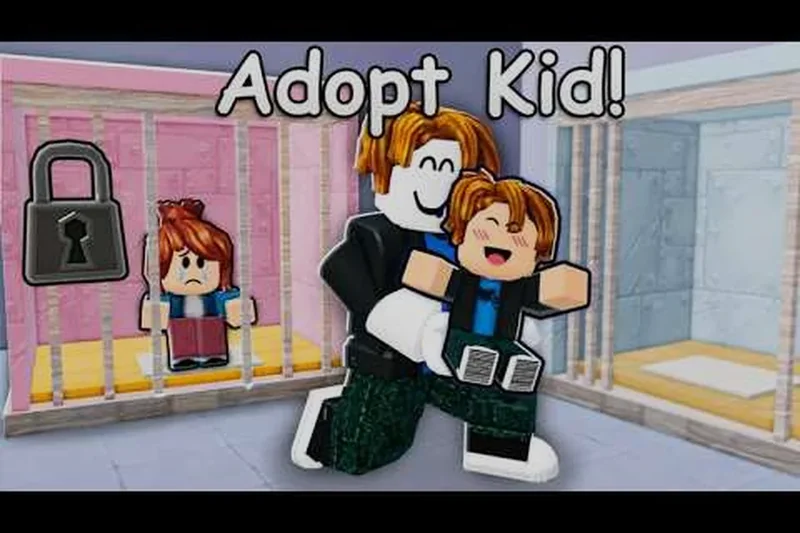
The Adoption Centre is the starting point for adding a baby. Expect a queue, an adoption fee, and a waiting step before you are called. After the staff member leads you to the nursery, choose an available baby and complete the adoption prompt. The fee increases for later children, so the first adoption price is not a safe budget for the whole family.
Once the baby is assigned to you, name them and choose Take Me Home. Drive back to your house, then place the baby in a crib or an appropriate nursery area. Carrying is useful during the trip and while positioning the baby; the evidence shows the baby can be picked up, moved, and put down.
Baby care routine
Use the routine below whenever you are managing a newly adopted baby. It separates actions that are clearly shown from outcomes the available evidence does not quantify.
| Care action | What to do | Why it matters |
|---|---|---|
| Bottle | Build a Formula Station, prepare a bottle, then feed the baby | Answers hunger and keeps feeding in the daily care loop |
| Comfort | Pick up, cuddle, and respond when the baby cries | Provides the documented response to crying |
| Play | Use the play interaction regularly | Listed as a repeatable care task |
| Dress | Complete the outfit interaction when available | Dresses the baby and may satisfy a task |
| Placement | Put the baby in the crib or nursery area when finished carrying | Keeps the home care area organized |
Feeding with the Formula Station
Build a Formula Station at home before relying on bottles. One recorded gameplay example says the next bottle was ready after about 51 seconds. That is a video-observed example and may change with the version or facility, so prepare the next bottle before the baby is hungry rather than treating 51 seconds as a guaranteed permanent timer.
The available evidence does not document the formula ingredients, a bottle inventory limit, or a numeric hunger meter. It does show hunger as a state to answer with feeding. If the baby is hungry, prepare the bottle and complete the feeding interaction; do not infer an unrecorded punishment if you wait.
Prepare bottles for baby care
This gameplay moment supports the Formula Station setup, bottle preparation, and observed wait time described in the feeding routine.

Crying, play, and cuddles
Treat crying as a prompt to check the baby rather than as proof of a specific penalty. Pick the baby up, put them in a suitable place, cuddle them, or use the available interaction that resolves the situation. Playing and cuddling are both part of the care routine, while the sources do not provide exact rewards or a required frequency for either action.

Capacity, coins, and growth
Family size is constrained by the house. The gameplay summary records a three-child example capacity and states that larger houses allow more adoptions. It does not establish a complete house-level capacity chart, so use the current capacity shown in your game rather than assuming every house has the same limit.
| Planning point | What the evidence supports | Best decision |
|---|---|---|
| Current home | A home has limited child capacity; one example shows 3 children | Check available space before paying for another adoption |
| Adoption fees | The fee increases as you add children | Keep a coin reserve instead of budgeting only for child one |
| Larger house | Larger houses allow more adoptions | Upgrade when capacity, not care, is blocking the next child |
| Growth | A child can reach age 1 and continue growing | Keep caring while waiting; no complete timer is documented |
Coins arrive through hourly rewards and tasks, and daily rewards provide another reason to return. Tasks can also include baby actions, and one video mentions a possible golden teddy reward. Spend carefully: adoption fees, the Formula Station, furniture, outfits, and toys all compete for the same budget. If you are close to the next adoption, prioritize the fee and required home space before optional decoration.
Growth is not an instant reward for one interaction. The documented loop is continued care plus waiting. A video records a child turning one year old, but the available material does not provide a full age progression, exact growth durations, or a confirmed difference in abilities after each age. Keep those details version-dependent until the game shows them directly.
A practical daily route
- Collect the available daily and hourly rewards, then check your tasks.
- Check each baby for hunger or crying before doing optional shopping.
- Prepare a bottle at the Formula Station and feed the hungry baby.
- Pick up, place, play with, cuddle, or dress the baby as the available interactions require.
- Leave each child in the crib or nursery area and allow time for growth.
- Save remaining coins toward the next rising adoption fee or a larger house.
- Return to the Adoption Centre only after checking both your coin reserve and remaining family capacity.
This order reduces the main avoidable mistake: spending on toys or furniture and then discovering that the next adoption fee or home capacity is the real progression gate.
FAQ
Can I adopt more babies immediately?
Only if your house has room and you can pay the next adoption fee. Larger houses support more adoptions, but the complete capacity-by-house progression is not documented here.
Are baby types or growth stages listed anywhere?
Not in the available evidence. The sources show choosing a baby and a child reaching age 1, but they do not establish a complete baby roster, age table, or growth schedule.
Does ignoring crying or hunger cause a known penalty?
The evidence identifies crying and hunger as care states, but it does not document a precise penalty, growth reduction, or reward loss for ignoring them. Respond to them promptly as a practical care rule, not as a quantified mechanic.
SourcesReviewed October 31, 2026
https://www.roblox.com/games/89537559330901/Raise-The-Biggest-Family
https://raisethebiggestfamily.wiki/en/guides
The gameplay summary and Babies evidence map establish the adoption-to-home flow, care interactions, rising adoption fees, the three-child example capacity, larger-house relationship, coin sources, and the documented evidence gaps. Video records provide the observed example of a roughly 51-second bottle wait, a child reaching age 1, and crying or hunger scenes. Those clips are player-experience evidence, not independent testing or a complete rules reference. No usable public Fandom data was available for baby types, exact growth timers, bottle ingredients, or care rewards. Values that appear mutable should be checked in the current game UI.